Solo vs. Couple vs. Family Trip Planning: What Changes and Why It Matters

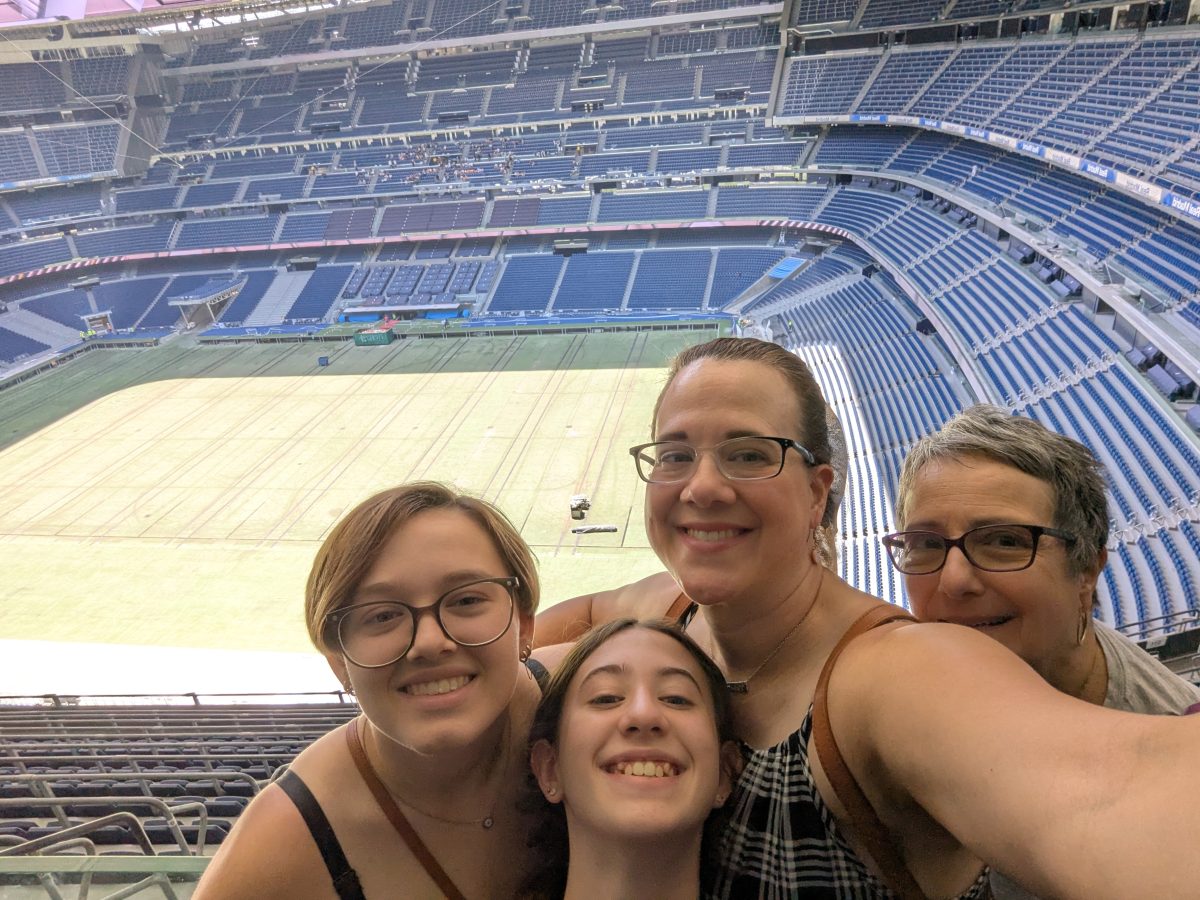
Planning a trip sounds simple until you realize that not everyone on the journey wants the same thing. Whether you are traveling alone, as a couple, or with a whole family, the priorities, pace, and decisions involved shift considerably. This article explores how trip planning changes based on who is traveling, offering practical guidance for solo adventurers, couples, and families.
Trip planning varies significantly based on whether you’re traveling solo, as a couple, or with family, due to differing priorities and dynamics. Solo travelers prioritize flexibility and personal interests, couples focus on shared intimacy and experiences, while families require compromise and activities that accommodate all ages and energy levels.
Solo Travelers: Freedom and Flexibility
When you travel solo, every decision is yours. You can wake up and choose whether to explore a bustling market or linger at a peaceful cafe, with no one else dictating your pace. This freedom allows for spontaneous detours: stumbling upon a hidden trail, discovering a local festival, or simply changing plans mid-afternoon without a second thought. According to a 2025 survey by Booking.com, 74% of solo travelers reported feeling more empowered and confident after their journeys.
Safety, Accommodation, and Pace
Freedom does not mean recklessness. Sharing your itinerary with someone you trust back home creates a safety net without sacrificing independence. Tools like bSafe and Google Trusted Contacts enable real-time location sharing when needed. Alongside this, research local safety, save emergency contacts, and stay connected even in remote areas.
Solo travelers often gravitate toward accommodations that foster social connection, whether a lively hostel or a boutique hotel in a vibrant neighborhood. Practical choices that serve solo travelers well include:
• Staying close to cultural hotspots or public transit
• Choosing local eateries for authentic experiences
• Joining group tours or workshops designed for solo guests
• Leaving room in the schedule for impromptu activities
Research shows solo adventurers average about 3.2 planned activities per day, compared to 2.7 for couples and 2.1 for families. Around 60% of solo travelers also use social media and travel forums to engage with locals and fellow tourists, blending independence with community.
Ideal Solo Destinations
Not all destinations suit solo travel equally. Safety, accessibility, and social opportunities are the key factors. Japan stands out for its safety, efficient public transit, and cultural richness. New Zealand offers accessible outdoor adventures that naturally connect travelers with others. Portugal combines rich history, pedestrian-friendly streets, and genuine hospitality at an affordable cost. When evaluating any destination, consider safety reputation, ease of navigation, language accessibility, and the availability of solo-friendly accommodations.
Couples: Balancing Interests and Activities
Traveling as a couple means weaving two sets of preferences, energies, and rhythms into one harmonious experience. Before booking anything, sit down with your partner and discuss what each of you genuinely wants from the trip: adventure, relaxation, cultural immersion, or a mix of all three. When both partners see their interests reflected in the plan, it fosters respect and helps avoid quiet resentment building over time.
Alternating activities is a consistently effective strategy. A day of high-energy pursuits like hiking or biking, followed by a slower day featuring spa time or a long lunch, allows both partners to enjoy their preferred pace. Shared activities that appeal equally to both, such as cooking classes, scenic boat tours, or city exploration, add meaningful connection to the trip.
| Strategy | Purpose | Benefit |
| Open dialogue | Understand individual expectations | Fosters mutual respect |
| Must-do list creation | Document each partner’s priorities | Ensures all voices are heard |
| Alternating activity days | Mix energetic with relaxed days | Balances pace and recharges energy |
| Shared interest activities | Find common ground experiences | Builds connection and shared memories |
| Collaborative planning | Use shared tools for itinerary management | Reduces decision tension |
Planning Romantic Getaways
Romantic getaways thrive on shared moments that feel intimate and personalized. Rather than defaulting to well-known romance destinations, consider what makes your relationship unique. Paris offers cobbled streets and cozy cafes, but quieter neighborhoods away from tourist crowds deepen connection more than famous landmarks. Island retreats like the Maldives offer beachfront dinners under the stars, while Tuscany invites couples to slow down with wine tastings and countryside drives.
Personalizing the trip around shared values or meaningful milestones elevates a vacation from pleasant to genuinely memorable. If adventure defines the relationship, consider hiking a volcano or zip-lining through a rainforest. If luxury speaks more loudly, a curated stay with a private plunge pool or spa creates the atmosphere of indulgence and privacy that feels truly restorative.
Families: Coordinating Group Needs
Traveling with family means balancing a range of ages, interests, and energy levels, turning planning into a complex but rewarding process. Unlike solo or couple trips, family vacations must account for multiple perspectives: children eager for adventure, grandparents wanting comfort, and parents working to satisfy both. Thoughtful coordination is what keeps the experience enjoyable rather than exhausting.
Distributing responsibilities among family members helps considerably. Giving older children simple tasks, such as helping pack their bags or contributing to the day’s itinerary, builds a sense of involvement and teaches independence. Choosing activities that appeal to multiple generations at once ensures no one feels left out. Apps like TripIt and Cozi allow families to synchronize schedules, share reminders, and assign responsibilities in real time, reducing friction from timing misunderstandings.
Even with careful scheduling, downtime is essential. Busy days drain energy quickly, particularly for young children and older adults. Building in rest periods prevents burnout and creates space for spontaneous moments, often the ones that become the most treasured memories.
| Coordination Element | Benefit | Practical Tip |
| Sharing responsibilities | Reduces parent burnout; fosters involvement | Assign daily tasks like navigation or meal planning |
| Multi-generational activities | Ensures inclusive fun | Choose venues that serve wide age ranges such as aquariums |
| Scheduled downtime | Prevents fatigue; enables spontaneity | Block afternoon breaks or quiet morning time |
| Planning apps | Keeps everyone informed | Share calendars and task lists via TripIt or Cozi |
| Managing expectations | Minimizes conflicts | Discuss goals openly before departure |
Finding Family-Friendly Destinations
Orlando, Florida is famous for Walt Disney World and Universal Studios but also offers quieter resort pools and calm outdoor areas that balance high-energy days. Yellowstone National Park delivers accessible trails, wildlife watching, and natural discovery that is both exciting and educational. Tokyo combines cutting-edge technology with family-friendly attractions like Disneyland Tokyo and interactive museums. According to a 2024 Family Travel Association survey, 85% of families prioritize destinations offering multiple activities tailored to different age groups.
Safety and convenience matter just as much as entertainment. Parents look for straightforward transportation, accessible medical services, and accommodations designed with families in mind. One practical tip: consult local event calendars before finalizing a destination. Seasonal festivals and cultural events create unique bonding opportunities that transform a standard trip into a shared celebration.
Adapting Strategies for All Travelers
Flexibility is the cornerstone of effective trip planning, regardless of travel style. Rather than enforcing a rigid schedule, adapting your approach with flexibility in mind allows every traveler to engage meaningfully with the destination while honoring individual needs. Splitting the itinerary is one practical tactic: one partner takes the kids to an interactive zoo while the other takes a quiet walk through a local art museum. This approach honors diverse interests without sacrificing the shared experience of the overall trip.
Choosing destinations with a range of attractions serves all travel styles naturally. Places that combine quiet nature hikes alongside bustling markets and cultural landmarks cater to both adventurous and relaxed travelers. Booking accommodations and tours with easy cancellation or rescheduling options reduces stress and opens the door to spontaneous changes driven by weather, mood, or unexpected opportunities.
Build a travel framework rather than a strict schedule: outline your must-see highlights but leave pockets of free time for spontaneous detours or personal rest. Before the trip, have an honest conversation within your group about must-have experiences versus nice-to-haves. That clarity fosters realistic expectations and mutual respect, honoring both collective adventure and individual freedom.
Ready to Plan a Trip That Fits Your Travel Style?
Whether you are traveling solo, planning a romantic getaway, or organizing a family vacation, the right planning makes all the difference. At Life Is Better Traveling, we help create personalized travel experiences that match your pace, interests, and priorities – so you can focus on making memories instead of managing stress.
Contact our team today to start planning your next adventure with confidence.Call us at 412-447-1293 to get a free quote or visit LifeIsBetterTraveling.com to get started.